Franklin Fueling Systems · Probes & Sensors
Interstitial Sensors (DIS, EIS, HFS)
Leak sensors for the dry space between the walls of double-wall tanks
Overview
A double-wall tank only protects the ground if someone notices when the inner or outer wall fails. Franklin's interstitial sensors sit in the dry gap between the two walls and alarm as soon as liquid collects there. Three models cover different tank builds and monitoring needs.
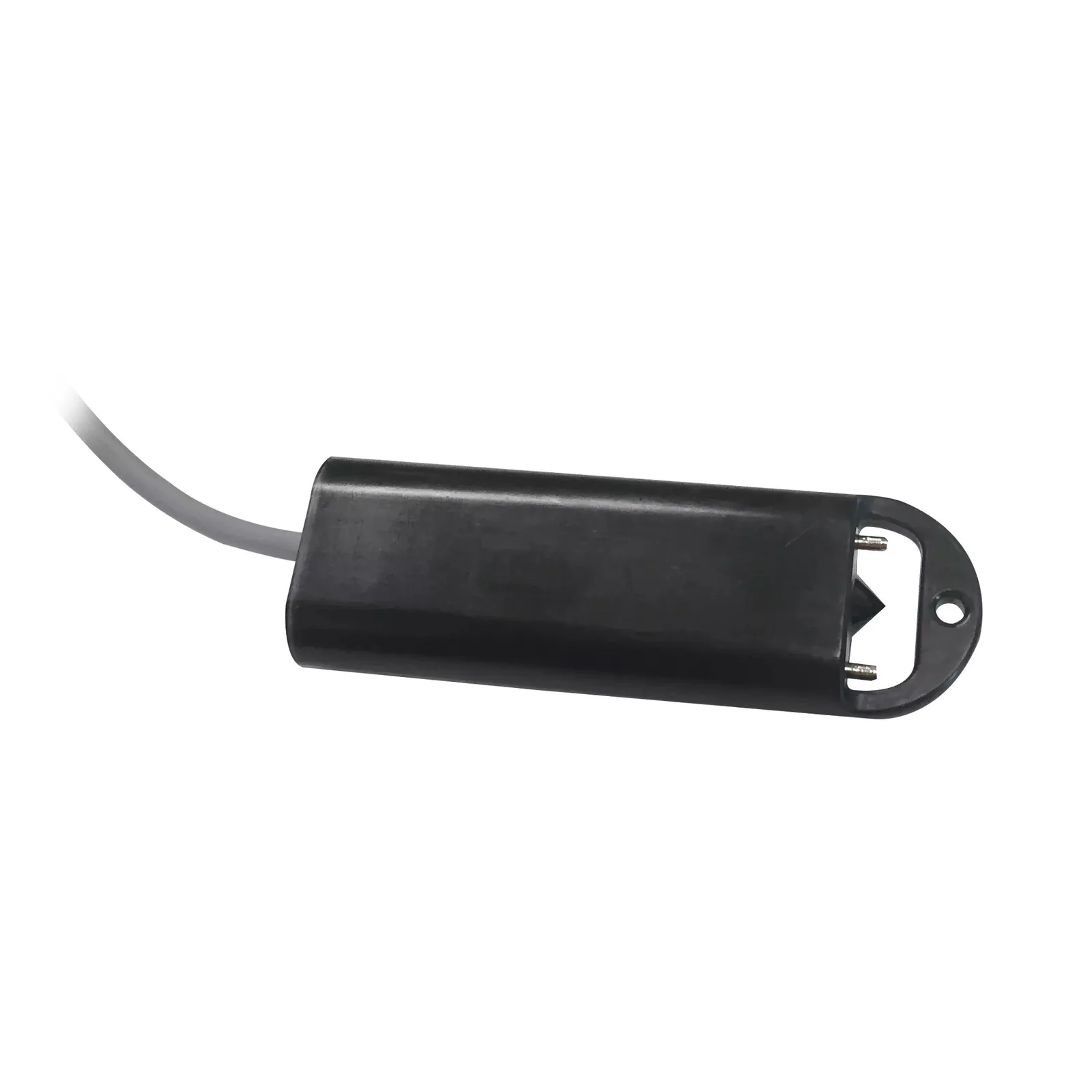
The DIS is the discriminating option. A light beam travels through the probe tip to tell whether it is wet, and a microprocessor in the sensor decides whether the liquid is petroleum or water before reporting to the EVO™ console. Its fail-safe digital link raises an alarm if the sensor itself fails. The EIS also works optically, with LEDs and prisms, but only reports that liquid is present. Its polysulfone body resists chemicals, and it can also be used in sumps.
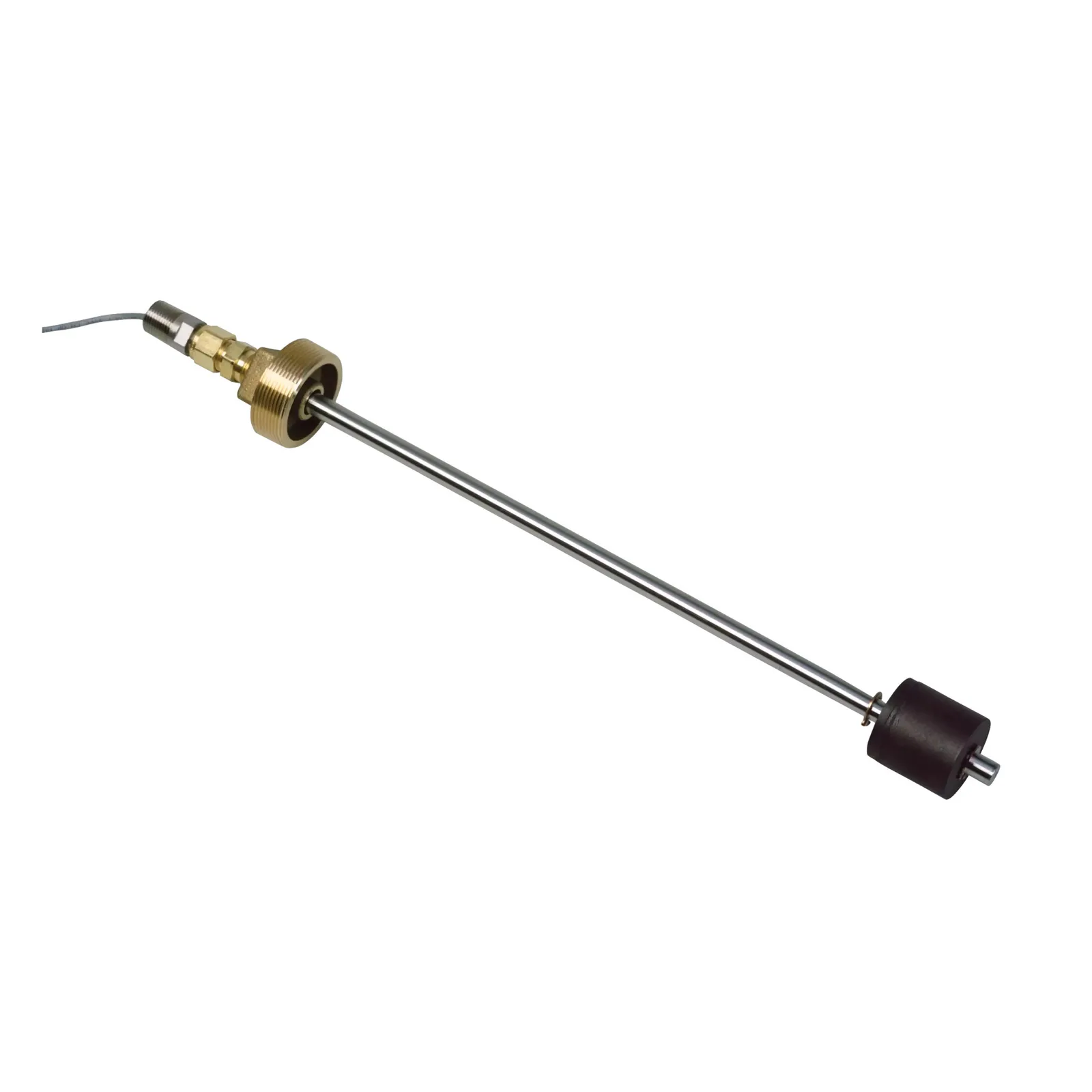
Installation depends on the tank. In a steel double-wall tank, the DIS or EIS is lowered straight to the bottom of the interstitial space through the 2" NPT fitting provided on the tank. In fiberglass tanks it is pulled into the space with a fish string or wire. For tight fiberglass interstices Franklin offers the HFS, a 2-wire magnetic float and reed switch sensor whose rounded shape makes it easy to pull out for cleaning and refit after an alarm. Riser cap kits TSP-KI2 (2") and TSP-KW4 (4") complete the installation.
Apex supplies and installs interstitial sensors in Lebanon for new double-wall tanks and for monitoring upgrades on existing ones.
Key features
- DIS discriminates petroleum from water in the interstice
- DIS fail-safe digital communication with sensor malfunction alarm
- EIS electro-optic sensor in chemical-resistant polysulfone
- HFS 2-wire float switch for tight fiberglass interstitial spaces
- Lowered through a 2" NPT fitting in steel tanks, pulled in on fiberglass tanks
- TSP-KI2 and TSP-KW4 riser cap kits
- DIS and EIS are UL listed, ATEX and IECEx approved; HFS is UL listed
Specifications
Interstitial Sensors (DIS, EIS, HFS) technical data
| Sensor | Model | Console |
|---|---|---|
| Discriminating interstitial (DIS) | FMP-DIS-U | EVO™ 200/400, EVO™ ONE, EVO™ 600/6000 |
| Discriminating interstitial (DIS) | FMP-DIS | EVO™ 550/5000, EVO™ 600/6000 |
| Electro-optic interstitial (EIS) | FMP-EIS-U | EVO™ 200/400, EVO™ ONE, EVO™ 600/6000 |
| Electro-optic interstitial (EIS) | FMP-EIS | EVO™ 550/5000, EVO™ 600/6000 |
| Horizontal float switch (HFS) | FMP-HFS2 | EVO™ 550/5000, EVO™ 600/6000 |
| Riser cap kit | TSP-KI2 / TSP-KW4 | For 2" / 4" riser pipes |
Figures from the manufacturer's published documentation. Confirm the final configuration with Apex at quotation stage.
Questions
Interstitial Sensors (DIS, EIS, HFS): common questions
- Which sensor tells fuel from water?
- The DIS. The EIS and HFS only report that liquid is present.
- Which sensor fits a tight fiberglass interstice?
- The HFS horizontal float switch, which is designed for dry fiberglass tank interstitial spaces and is easy to remove for cleaning.
- Can the HFS connect to an EVO™ 400?
- Franklin lists the FMP-HFS2 for the EVO™ 550/5000 and EVO™ 600/6000 on 2-wire or 3-wire sensor modules. It cannot use the UDP or probe modules.
Request a Quotation
Get a quotation for the Franklin Fueling Systems Interstitial Sensors (DIS, EIS, HFS).
Tell us the quantities and the site. Apex prepares every quotation for the project, then supplies, installs and services the equipment in Lebanon.
More in Probes & Sensors
All Probes & Sensors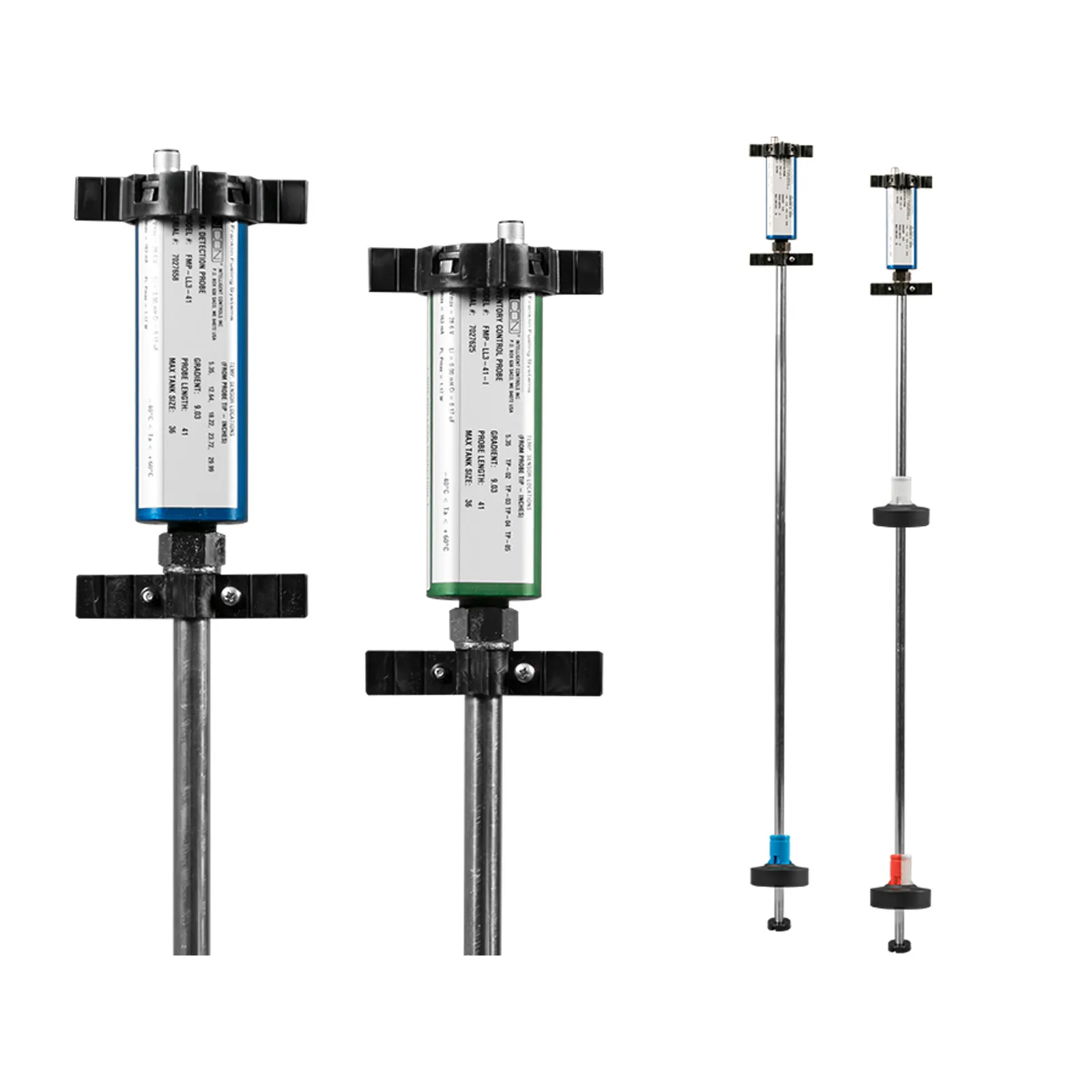
Digital Inventory & Leak Detection Probes (LL3)
FMP-LL3 magnetostrictive probes with digital output for EVO™ tank gauges
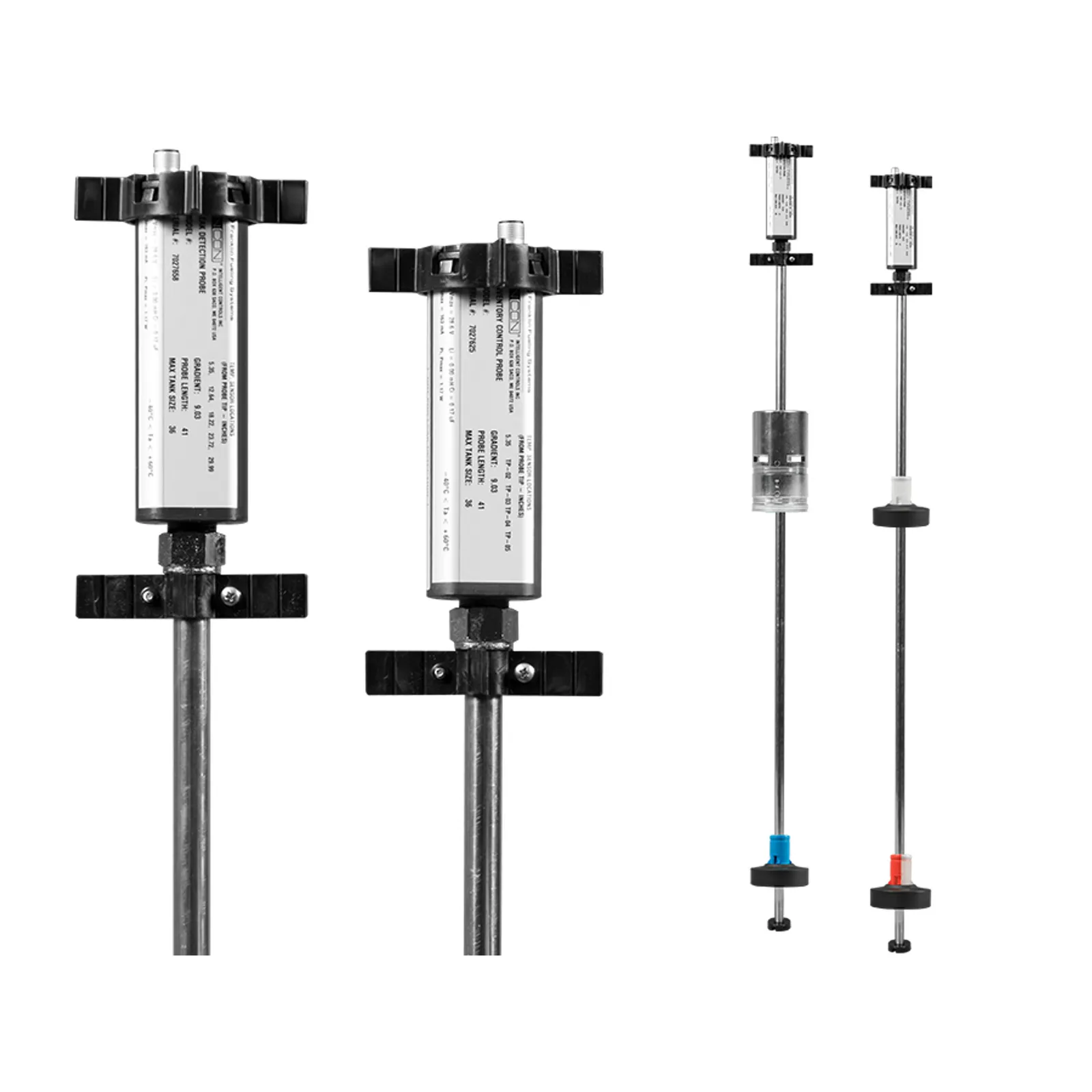
Analog Inventory & Leak Detection Probes (LL2)
TSP-LL2 magnetostrictive probes for long tanks and legacy Franklin gauges
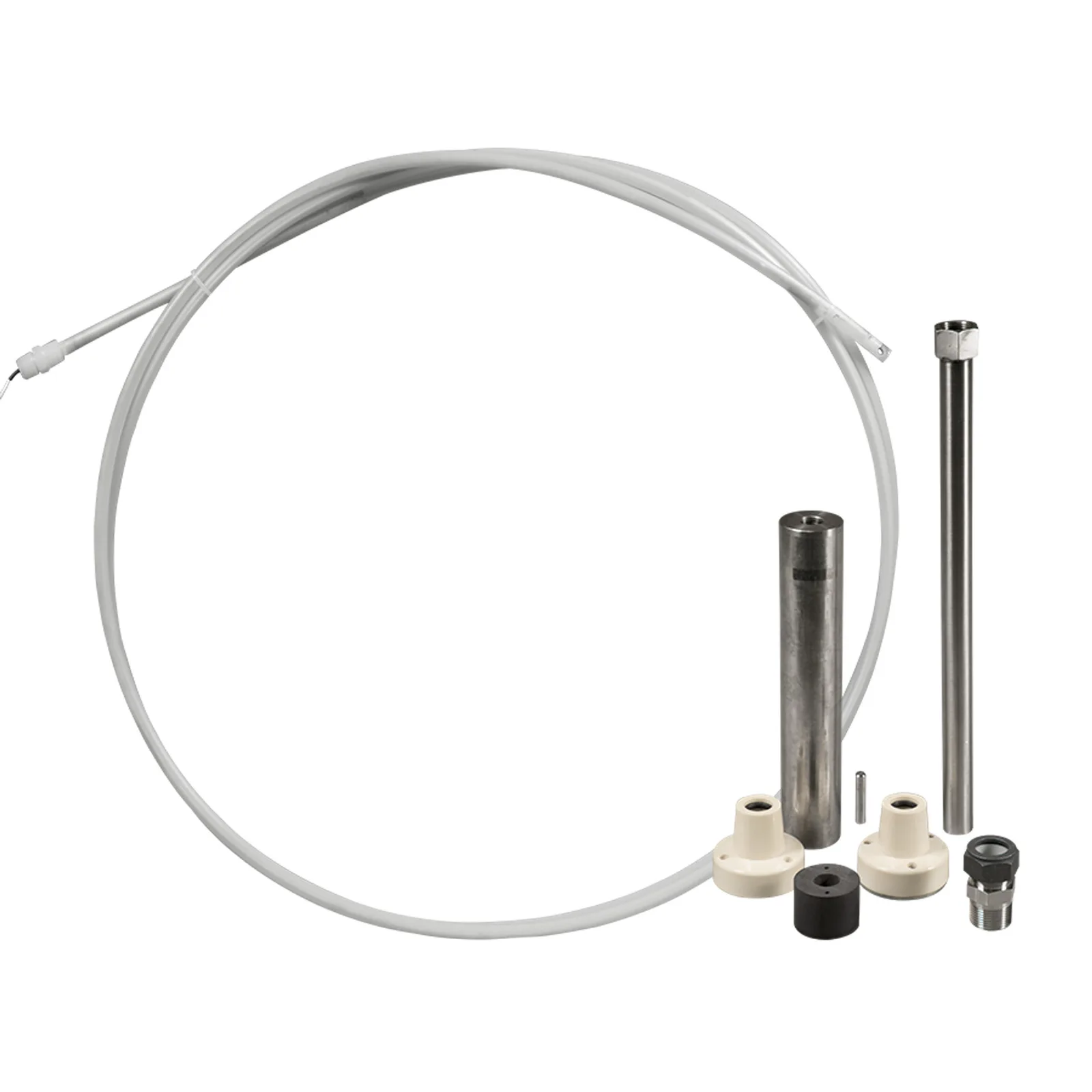
Flexible Inventory Probes
Coilable PVDF probes for tall tanks and low-headroom installs
Standard Float Kits
Product and water float sets for gasoline and diesel tanks
Low Level Water Float for Diesel
Detects water in diesel tanks from ¼" for earlier corrosion warning
Phase Separation Float Kits
One float that warns of water or phase-separated fuel in gasoline tanks
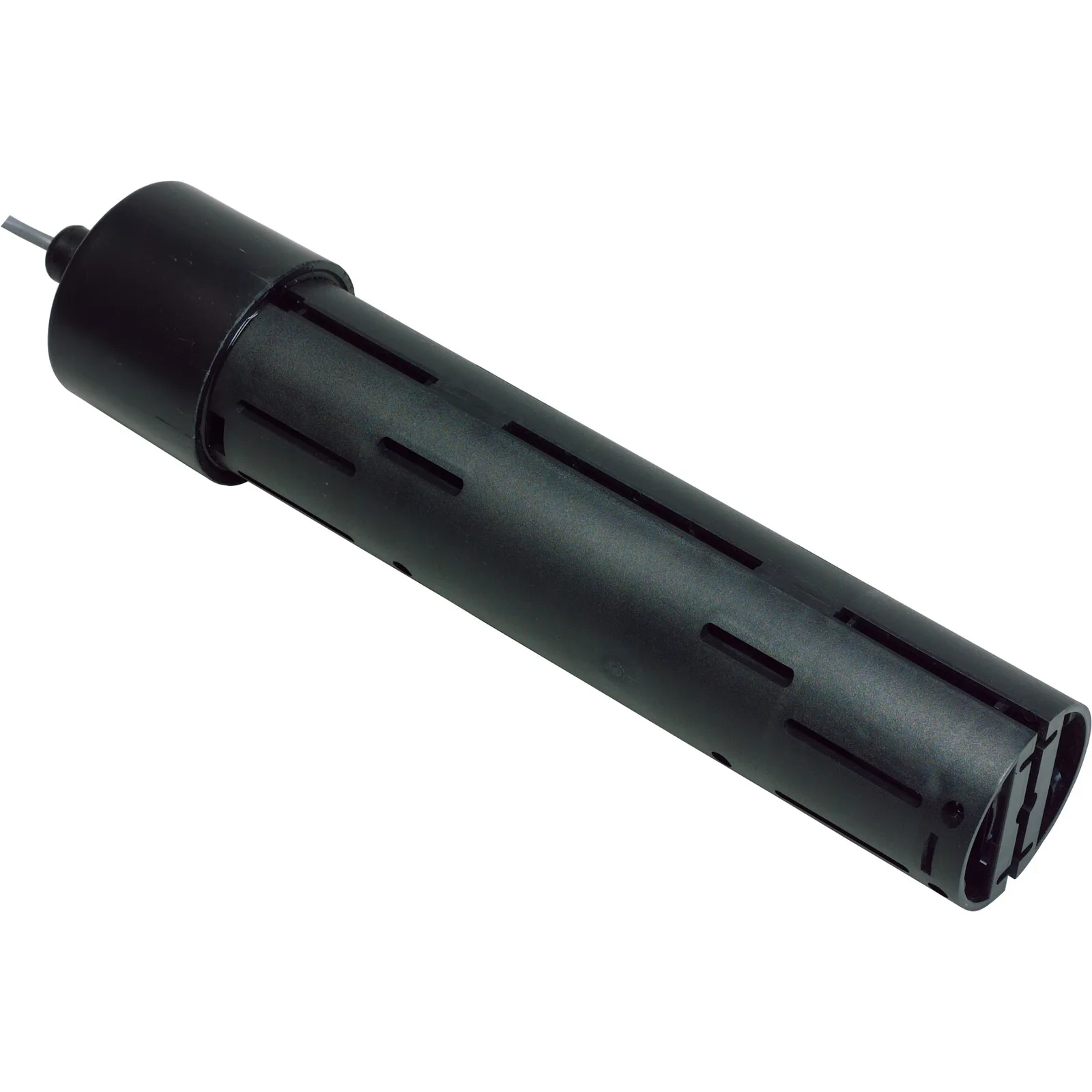
Sump Sensors (DDS, DTS, DMS, ULS)
Discriminating and float-switch sensors for dispenser pans and tank sumps
HLS High Level Sensor
Adjustable float-switch overfill sensor for storage tanks
